W-4 Penalties: What Happens If You Fill Out Your Tax Withholding Form Wrong?
Ever wondered what happens if you mess up your W-4 form? This article unpacks the whirlwind of W-4 penalties, making sense of the IRS rules and showing you how to avoid headaches (and fines) when reporting your tax withholdings.

Understanding W-4 penalties is essential for employees and gig workers eager to avoid unnecessary IRS problems related to withholding allowances, incorrect filing, tax underpayment, and the dreaded potential for fines. When you complete a W-4 form, you’re instructing your employer on how much federal income tax to withhold from your paycheck. If you claim excessive allowances or provide misleading information, you could be staring down “W-4 penalties”—extra fees for under-withholding, an IRS investigation, and even criminal charges in cases of deliberate fraud. This article uncovers everything you need to know about W-4 penalties, how they work, how to prevent them, and how to fix your W-4 if mistakes do happen, keeping your tax life stress-free and penalty-free.
What Is a W-4 Form and Why Does It Matter?
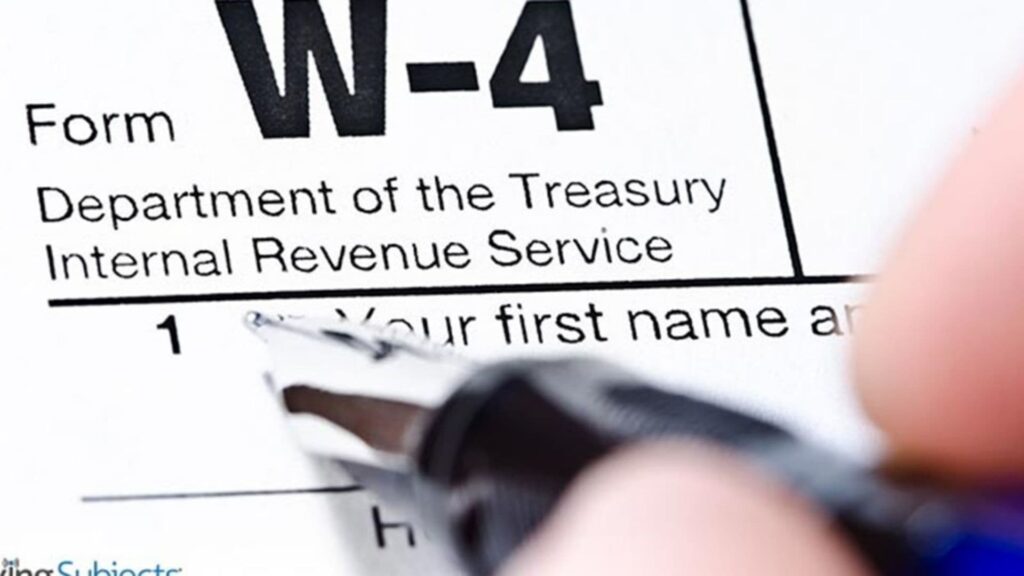
The W-4 form, officially called the Employee’s Withholding Certificate, tells your employer how much money to withhold from your paycheck for federal taxes. Fill it out right, and you’re set for tax season. Fill it out wrong—especially on purpose—and you could be setting yourself up for W-4 penalties, underpayment surprises, and tricky encounters with the IRS.
Common Triggers for W-4 Penalties
- Claiming too many allowances you’re not entitled to
- Incorrectly reporting your expected income or marital status
- Filing as “exempt” when you’re not eligible
- Failing to update your W-4 after major life changes
- Deliberately providing false information to reduce withholding
Even honest mistakes can lead to headaches, but knowingly giving false information can carry tough consequences.

How Does the IRS Detect W-4 Errors?
The IRS matches the info on your W-4 against your tax returns. If your reported withholding doesn’t add up, or if your tax owed is suspiciously low compared to your income, that’s a red flag. Employers must submit copies of suspicious forms—those claiming a high number of allowances or exempt status—directly to the IRS for review.
What Are the Actual W-4 Penalties?
W-4 penalties can take several forms:
- Underpayment Penalty: If you don’t have enough withheld, you could owe a penalty based on the amount underpaid, plus interest.
- $500 Civil Penalty: If you willfully submit false information on your W-4 to avoid proper withholding, the IRS can slap you with a $500 civil penalty.
- Criminal Charges: In cases of proven fraud or repeated offenses, you could face fines and even jail time.
- Mandatory W-4 Filing Updates: The IRS might require your employer to withhold at a higher, specific rate until you resolve the errors.
How to Avoid W-4 Penalties
- Always use up-to-date info on your W-4.
- Review your withholdings anytime you get a new job, a raise, or big life event.
- Use the IRS Tax Withholding Estimator for an accurate calculation.
- Don’t claim “exempt” unless you truly qualify.
- Fix mistakes promptly—submit a new W-4 if circumstances change.
What If You Get a Penalty?
If you get a notice about a W-4 penalty or underpayment, don’t panic. Review the details and, if necessary, file a corrected W-4 with your employer. Pay your owed taxes as soon as possible to stop further penalties and interest. If you genuinely made an error and can show good cause, the IRS may reduce or waive penalties in some situations.
Pros and Cons of Adjusting Your Withholding
| Action | Pros | Cons |
|---|---|---|
| Withhold Too Much | Likely refund, no penalty | Reduced take-home pay |
| Withhold Too Little | More paychecks, cash now | Risk of tax bill, possible fines |
| Accurate Withholding | No surprise at tax time | Requires careful calculation |
FAQs
Q: Can I go to jail for a W-4 mistake?
A: Honest mistakes won’t land you in jail, but deliberate fraud or repeated misconduct could lead to criminal charges.
Q: Is it OK to claim “exempt” on my W-4 if only some of my income is tax-free?
A: No, you can only claim exempt if you meet the IRS requirements—otherwise, claim allowances honestly to avoid penalties.


