Stimulus Checks for SSI, SSDI, and VA Benefits
This article unpacks everything you need to know about stimulus checks for SSI, SSDI, and VA benefits recipients—covering eligibility, payment methods, legal protections, and how these payments interact with your federal benefits.

If you receive Supplemental Security Income (SSI), Social Security Disability Insurance (SSDI), or Veterans Affairs (VA) benefits, you may have questions about how stimulus checks—also known as Economic Impact Payments—affect you. This comprehensive guide on stimulus checks for SSI, SSDI, and VA benefits recipients covers eligibility requirements, payment amounts, delivery methods, and how these payments interact with your federal benefits. We’ll also address common issues, legal protections, and provide practical steps to ensure you receive your payment without jeopardizing your benefits. With official guidance from the IRS, Social Security Administration, and National Disability Institute, you can confidently navigate the world of stimulus payments and maximize your financial security.
What Are Stimulus Checks and Who Qualifies?
Stimulus checks are direct payments from the federal government designed to provide financial relief during times of economic hardship, such as the COVID-19 pandemic. The most recent round provided $1,400 per eligible adult and $1,400 per qualifying dependent. To qualify, you must:
- Be a U.S. citizen or legal resident with a valid Social Security number.
- Not be claimed as a dependent on another taxpayer’s return (with some exceptions for the third round).
- Meet income requirements (payments phase out above $75,000 for single filers and $150,000 for joint filers).
SSI, SSDI, and VA benefits recipients are generally eligible for stimulus checks automatically, even if they do not file tax returns.

How Stimulus Checks Affect SSI Benefits
SSI (Supplemental Security Income) is a needs-based program for individuals who are aged, blind, or disabled with limited income and resources. The good news: stimulus payments do not count as income for SSI eligibility or benefit calculations. They are also excluded as a resource for 12 months from the date you receive them. This means you can receive and spend your stimulus check without worrying about losing your SSI benefits, as long as you use the funds within a year.
Key Takeaway: Stimulus checks will not reduce your SSI monthly payment or disqualify you from the program if spent within 12 months.
How Stimulus Checks Affect SSDI Benefits
SSDI (Social Security Disability Insurance) provides benefits to people who have worked and paid into Social Security but are now unable to work due to a qualifying disability. Stimulus payments do not affect SSDI eligibility or monthly benefit amounts. Since SSDI is not means-tested, you can keep your entire stimulus payment with no impact on your benefits.
How Stimulus Checks Affect VA Benefits
VA benefits include disability compensation, pensions, and survivor benefits for veterans and their families. Stimulus payments do not count as income or resources for VA benefits and will not reduce your monthly compensation or pension. Most VA beneficiaries receive their stimulus checks automatically, using the same method as their regular VA payments.
How Are Stimulus Payments Delivered?
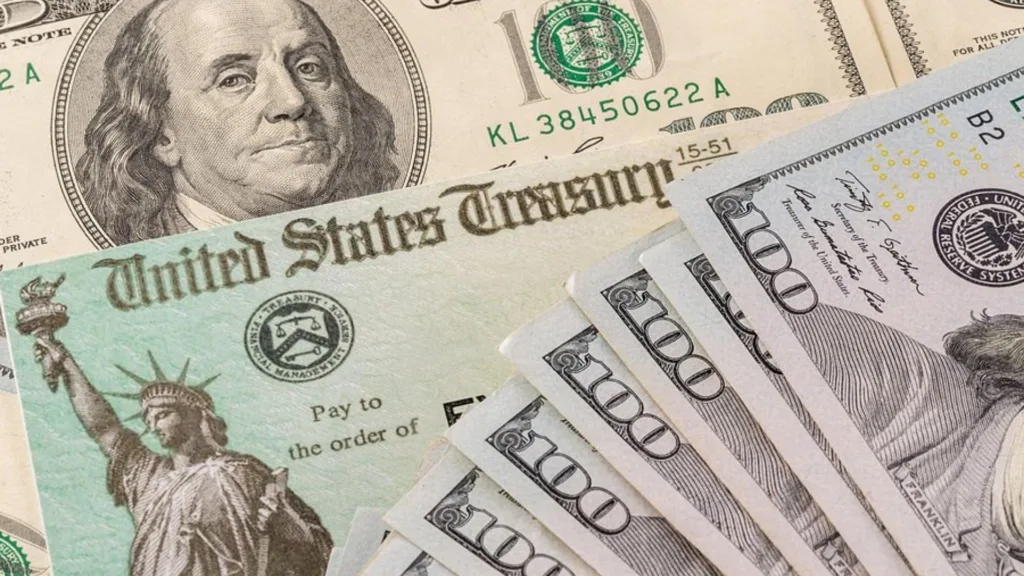
The IRS, Social Security Administration, and VA coordinate to deliver stimulus payments using the same method as your regular benefits:
- Direct Deposit: Fastest and most secure; funds go directly to your bank or credit union account.
- Direct Express Debit Card: For those without a bank account, funds are loaded onto your Direct Express card.
- Paper Check: Mailed to your address on file (being phased out by September 30, 2025).
Tip: Make sure your contact and banking information is up to date with the SSA or VA to avoid delays.
Payment Dates and Amounts
- SSI: Payments typically arrive at the start of the month.
- SSDI: Payments are made mid-month, based on your birth date.
- VA: Payments are deposited on the first working day of each month.
The standard amount for the latest round was $1,400 per eligible adult and $1,400 per qualifying dependent. Previous rounds ranged from $600 to $1,400 per person.
Special Rules and Exceptions
- No Tax Return Required: Most recipients do not need to file a tax return to receive stimulus payments unless claiming dependents.
- Dependents: For the third round, adult dependents (including those with disabilities) were eligible for payments.
- Recipients Abroad: If you receive benefits through a U.S. bank account, you are eligible for direct deposit, even if living outside the U.S.
- Resource Exclusion: For SSI, stimulus funds must be spent within 12 months to avoid being counted as a resource.
- Garnishment: Stimulus payments are generally protected from garnishment, except for certain debts like child support.
Common Issues and How to Resolve Them
- Delayed or Missing Payments: Delays can occur due to outdated information or processing backlogs. Use the IRS “Get My Payment” tool to track your payment status.
- Non-Filers: If you don’t file taxes and didn’t receive your payment, you may need to use the IRS Non-Filers tool or file a simple tax return to claim your payment.
- Dependents Not Paid: If you didn’t receive payment for eligible dependents, you can claim the Recovery Rebate Credit on your tax return.
- Legal Help: If you experience denial, garnishment, or other complications, consult a disability attorney for assistance.
Legal Protections and Practical Guidance
- Not Taxable: Stimulus payments are not taxable and do not increase your tax liability.
- No Impact on Federal Benefits: Payments do not affect eligibility or monthly amounts for SSI, SSDI, or VA benefits.
- Documentation: Keep records of your payment and correspondence with agencies.
- Spend Within 12 Months: For SSI recipients, use the funds within a year to avoid resource issues.
- ABLE Accounts: People with disabilities can save stimulus funds in an ABLE account (up to $100,000) without affecting SSI eligibility.
Summary Table: Stimulus Payment Details
| Recipient Type | Eligibility | Standard Amount | Payment Method | Payment Timing | Special Notes |
|---|---|---|---|---|---|
| SSI | Automatic if eligible | $1,400 (latest round) | Direct deposit, Direct Express, or check | Start of month | No tax return needed unless claiming dependents |
| SSDI | Automatic if eligible | $1,400 (latest round) | Direct deposit or check | Mid-month | No impact on benefits |
| VA | Automatic if eligible | $1,400 (latest round) | Direct deposit or check | First working day of month | Ensure info is current with VA |
Frequently Asked Questions (FAQs)
Q: Will my stimulus check reduce my SSI or SSDI benefits?
A: No, stimulus checks are not considered income and will not affect your SSI or SSDI benefits.
Q: How will I receive my stimulus check if I’m on SSI, SSDI, or VA benefits?
A: You’ll receive your payment the same way you get your regular benefits—by direct deposit, Direct Express card, or paper check.
Q: What should I do if I didn’t get my stimulus check?
A: Use the IRS “Get My Payment” tool to track your payment or file a Recovery Rebate Credit on your tax return.
Q: Are stimulus payments taxable?
A: No, stimulus payments are not taxable and do not need to be reported as income.
Q: Can my stimulus check be garnished?
A: Generally, stimulus payments are protected from garnishment, except for certain debts like child support.