Gift Tax Exclusion
Want to be generous in [year] without accidentally inviting the IRS to your group chat? This friendly guide unpacks the [year] gift tax exclusion, when Form 709 shows up, and a few smart ways to give money (or assets) with less stress.

The 2026 Gift Tax Exclusion is the annual gift tax exclusion amount set by the IRS that helps you plan family gifting, estate planning, and wealth transfers by showing how much you can give per recipient in a calendar year before gift tax reporting becomes necessary. If you’re searching for the 2026 annual gift tax exclusion, the IRS gift tax limit, federal gift tax rules, taxable gift thresholds, gift splitting for married couples, and how Form 709 works, you’re likely trying to balance generosity with clean paperwork—especially for cash gifts to children, gifting to grandchildren, help with a home down payment, contributions to a 529 plan, or transferring property without surprises at tax time. The key idea is that the annual exclusion is separate from the lifetime gift and estate tax exemption (the unified credit), and most people who exceed the annual exclusion don’t immediately pay gift tax; instead, they report the excess and it typically reduces their lifetime exemption. Getting the details right in 2026 matters because gift rules depend on who receives the gift, whether it’s a “present interest” gift, whether you pay tuition or medical bills directly to a provider, and whether you’re gifting something easy to value (like cash) or something that needs a fair market valuation (like real estate or business interests). This guide walks you through how the 2026 gift tax exclusion works, what triggers Form 709, which gifts are excluded by special rules, and the practical recordkeeping that keeps your plan smooth—even if you’re doing multiple gifts across a large family.
What The 2026 Gift Tax Exclusion Actually Is
The annual gift tax exclusion is a per-person, per-year amount you can give to another individual without it counting as a taxable gift in many common situations. Think of it as the IRS’s “everyday gifting allowance” designed to keep normal generosity from turning into a tax project.
The IRS typically updates this annual exclusion for inflation, so the exact 2026 number must be verified from official IRS inflation adjustment guidance for that year. Once you know the official limit, you can multiply it across recipients to plan your total annual gifting budget.

Annual Exclusion Vs Lifetime Gift And Estate Tax Exemption
People often confuse the annual gift tax exclusion with the lifetime exemption, but they do different jobs. The annual exclusion is the amount you can give to each person each year without reporting in many cases; the lifetime exemption is the larger bucket that covers reportable gifts over the annual exclusion during life and estate transfers at death.
If you give more than the annual exclusion to one person in 2026, you generally don’t automatically owe gift tax. In many situations, you file Form 709 and the excess reduces your lifetime exemption, which is why high-value gifting is often coordinated with broader estate planning.
How To Confirm The Official Annual Exclusion Amount in 2026
Because you asked specifically about the 2026 gift tax exclusion, the best practice is to confirm the IRS-published figure rather than rely on blogs repeating prior-year numbers. Use sources that cite the IRS inflation adjustment publication for the year (often a Revenue Procedure released in advance).
Good places to check:
- IRS guidance on annual inflation adjustments for tax provisions
- IRS pages explaining gift tax basics and filing requirements
- A trusted tax professional’s update that references the IRS publication by name/number
What Counts As A Gift Under Federal Gift Tax Rules
A gift generally happens when you transfer money or property and don’t receive equal value in return. Cash gifts are straightforward, but many “everyday” arrangements can also be gifts depending on facts and circumstances.
Common examples that can be gifts:
- Writing a check or sending a wire to a family member
- Paying someone’s rent or credit card bill
- Forgiving a loan (or charging no interest when interest is required under tax rules)
- Transferring property for less than fair market value
Why “Present Interest” Matters For The Annual Exclusion
To qualify for the annual gift tax exclusion, the gift usually must be a “present interest” gift—meaning the recipient can use or enjoy it immediately. Cash qualifies because it’s available right away.
Some trust gifts are more complex because beneficiaries may not have immediate access. Estate plans sometimes use specific trust features intended to help contributions qualify for the annual exclusion, but those strategies should be handled carefully to match the legal and tax requirements.
Married Couples And Gift Splitting In 2026
Married couples may be able to use “gift splitting,” which treats a gift made by one spouse as if it were made half by each spouse. This can effectively double the annual exclusion amount available for gifts to a single recipient in a single year.
Gift splitting can come with a reporting requirement even if no tax is due, so couples often coordinate the decision with their tax preparer—especially when giving larger amounts, making irregular gifts, or using trusts.
Special Exclusions For Tuition And Medical Payments
A major planning advantage is that certain payments can be excluded from gift tax rules without using the annual exclusion amount at all. Two common categories are:
- Tuition paid directly to an educational institution
- Medical expenses paid directly to a medical provider
The “directly to the provider” part is the make-or-break detail. Paying the person and having them pay the bill may not qualify for these special exclusions in the same clean way.
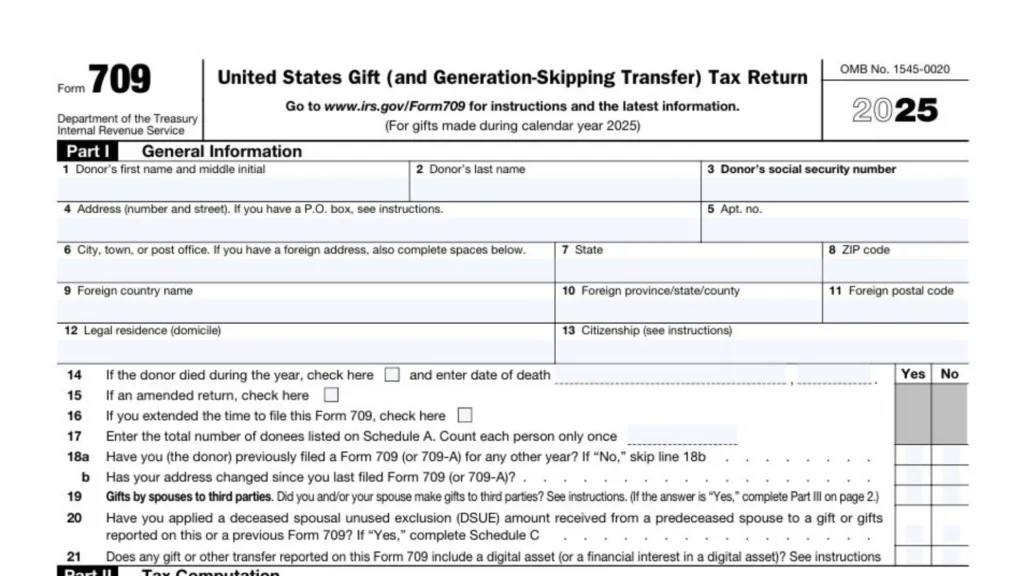
When Form 709 Is Required (And Why It’s Not As Scary As It Sounds)
Form 709 is generally used to report gifts that exceed the annual exclusion for a recipient, certain gifts involving future interests, gift splitting elections, and some non-cash transfers. Filing the form doesn’t necessarily mean you owe gift tax; it often means you’re tracking use of your lifetime exemption.
Situations that commonly trigger Form 709:
- Giving more than the annual exclusion to one person in 2026
- Splitting gifts with a spouse
- Gifting property that requires valuation (real estate, business interests)
- Certain trust contributions
2026 Gifting Scenarios You Can Plan Around
Once you know the official annual exclusion amount for 2026, you can use it like building blocks.
Examples of how the math tends to work:
- Multiple recipients: You can give up to the annual limit to each recipient, so a larger family increases your total no-reporting gifting capacity
- Two spouses giving: A married couple may be able to give a larger combined amount per recipient using gift splitting rules
- Combining with tuition exclusion: You can pay tuition directly to a school and still make separate annual exclusion gifts to the same person in the same year
For higher-value gifts, consider timing (early-year vs year-end), whether gifts should be spread across two calendar years, and whether documentation is clean enough to support your intent and the value transferred.
Non-Cash Gifts: Real Estate, Stock, And Business Interests
Gifting assets can be more powerful than gifting cash, but it adds valuation and tax-basis considerations. The gift amount is generally tied to fair market value, and you may need an appraisal or other support—especially for partial interests or privately held businesses.
Common non-cash gifting themes:
- Real estate transfers can involve deeds, local recording, and potential mortgage complications
- Stock gifts may be easy to value for publicly traded shares, but timing and documentation still matter
- Business interest gifts often require formal valuation approaches and careful operating agreement review

529 Plans And The Five-Year Election (Front-Loading)
529 plan contributions are treated as gifts for gift tax purposes, which makes them a popular tool in family gifting plans. Some taxpayers use a special election that spreads a larger contribution over multiple years for gift tax accounting, often called “front-loading” or “superfunding.”
This can accelerate education funding while managing annual exclusion limits, but it’s election-based and can involve Form 709. If you’re considering this in 2026, it’s worth aligning the strategy with your broader estate plan and cash-flow goals.
Recordkeeping Tips That Make Gifting Incredibly Easy Later
Good records make gift tax filing (if needed) far easier and protect you if questions arise years later. Keep:
- A simple spreadsheet of gifts (date, recipient, amount, purpose)
- Proof of payment (wire confirmations, cancelled checks, account statements)
- Any appraisals for property transfers
- Receipts showing direct tuition/medical payments to providers
This is especially useful if you routinely help family members, do repeated yearly gifts, or coordinate gifts across spouses.
Common Mistakes To Avoid With The 2026 Gift Tax Exclusion
Most problems come from assumptions rather than bad intent. Avoid these:
- Treating “annual exclusion exceeded” as the same thing as “gift tax owed now”
- Forgetting the annual exclusion is per recipient, not a single yearly cap for all gifting
- Missing Form 709 when gift splitting or complex gifts are involved
- Misclassifying tuition/medical help by paying the person instead of the provider
- Ignoring valuation needs for non-cash gifts
FAQs
What Is The 2026 Annual Gift Tax Exclusion?
It’s the IRS-set amount you can give to each person in 2026 without counting it as a taxable gift in many typical situations.
Do I Owe Gift Tax If I Give More Than The Annual Exclusion?
Usually no; you often file Form 709 and the excess typically reduces your lifetime exemption.
Are Tuition And Medical Payments Covered By The Annual Exclusion?
They can be separately excluded if you pay the school or medical provider directly.
Does A Married Couple Get A Bigger Exclusion?
Potentially yes, through gift splitting rules that can effectively double the per-recipient annual limit (often with Form 709).


